Blog
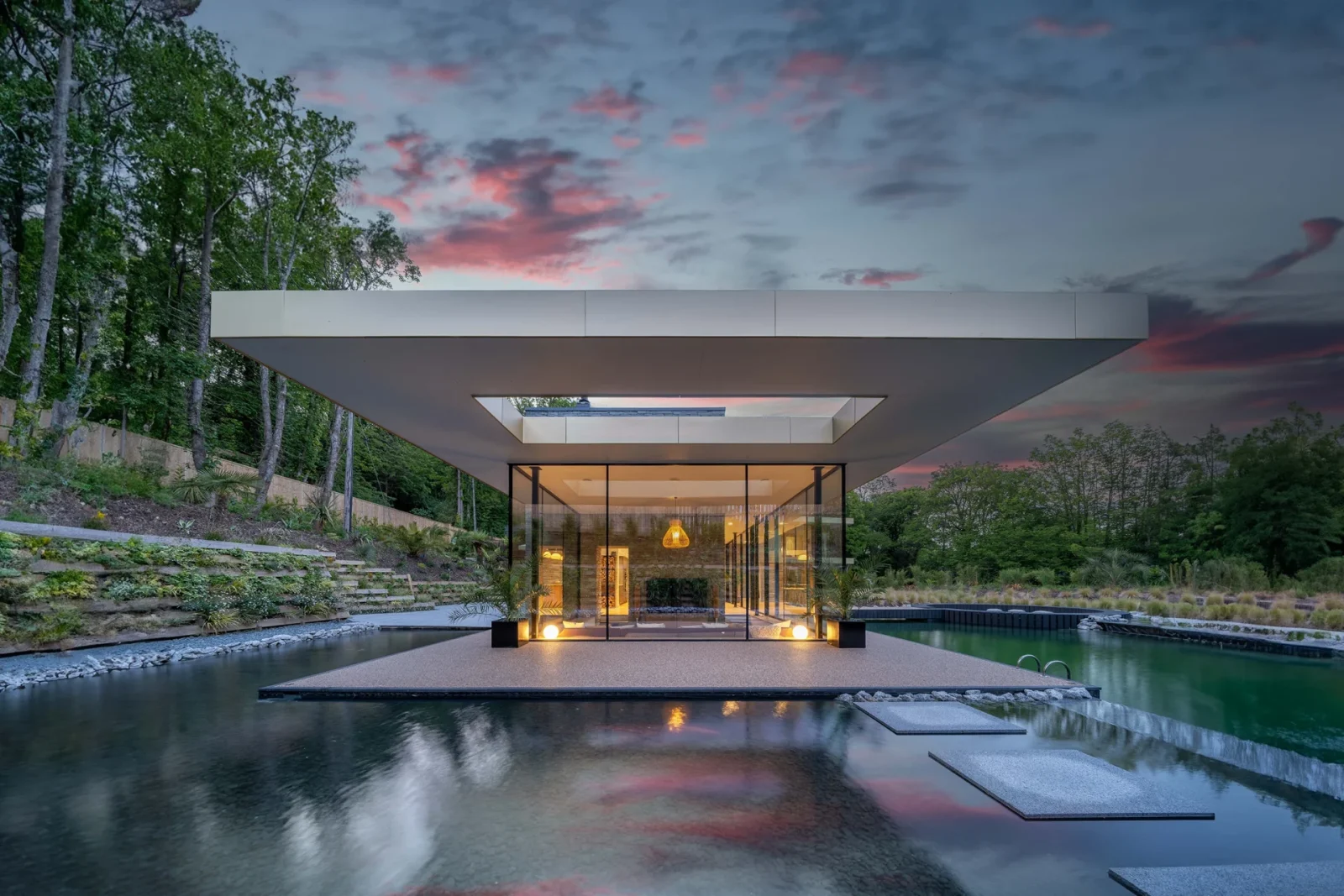
Photo finishes have always been a matter of subjective preference; while some favour a natural look, others prefer crisp, vivid stylings. Recent developments in Artificial Intelligence (AI) has made these alterations both effortless and highly effective at enhancing property marketing.
Risk of misrepresentation
Photo editing best practice
With the rapid pace of technology and the advanced tools now available, editors risk inadvertently misleading consumers. In the UK, property photo editing is regulated by the Digital Markets, Competition and Consumers Act (DMCC) which empowers the Competition and Markets Authority (CMA) to investigate misrepresentation.
The United States has taken this regulation further. On January 1, 2026, the California Business and Professions Code introduced AB 723: Real Estate Digitally Altered Images Disclosure. This legislation requires real estate agents to clearly disclose when property photos have been edited using AI or digital software. The law mandates that such images be labeled ‘digitally altered’ and requires that the original, unedited photo remains accessible to consumers.
A rising trend is in the use of AI models to supply the complete edited image
What few people realise is that AI doesn’t actually ‘edit’ an image as we would conventionally think. As a simplified explanation, AI looks at what has been supplied and redraws what it thinks the room should look like based on what it has seen, this process is called synthesis. In very crude terms you’re looking at an incredibly realistic AI painting of the photos it has been shown. Synthesised images can have artifacts or ‘hallucinations’ where the AI model has failed to redraw the details correctly. This leads to issues where images can be partially, or wholly, wrong from the room that was originally captured.
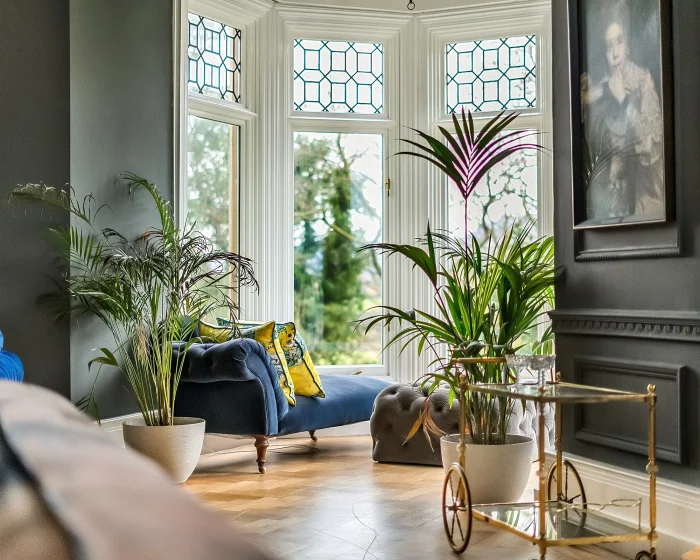
Edited image examples (for illustrative purposes only)


Another common use is the removal of objects from images. Generative tools can remove people, objects, stains and more from images by taking the best approximation and likelihood of what should be there. Unfortunately, there is no way to be 100% accurate with these approximations. Take for example a car parked on a block paved driveway, the AI can recognise and predict the repetition of the block paving, but it would be unable to foresee the existence of a manhole cover under the car or damage to the paving that is hidden.
In more extreme cases agents have been found to ‘redecorate’ or empty rooms entirely, this deceptive practice has birthed the term ‘housefishing’ where AI is used to make a property appear significantly better than its actual condition. By applying these rules to agents, brokers, and marketers, the California Real Estate Digitally Altered Images Disclosure ensures buyers are not misled by ‘virtual renovations’ that do not exist in reality.
Our approach
At NicheCom we believe in authentically representing the property and are careful to avoid the use of generative or synthesised AI elements in our editing workflows. The images we supply are the same photo files we captured in the property, not an AI’s painting. We apply the normal postproduction techniques that have been used for years, such as:
- Brightening up the room so you can see all the details
- Correcting the colours so they match the paintwork correctly
- Adding blue skies on cloudy days
- Blurring of personal information
We are happy to provide object removal but for more complicated objects this can and will require Generative AI tools. For larger and more complicated objects, we require confirmation from the agency that they understand the potential issues that can be caused by its use.
With the public wary of AI and its application, we have found that agents providing clear and transparent statements of its use have fared best. This can include annotations in the corners of images ‘tidied with AI, objects cleared with AI, dressed with AI’. Another approach features listings that show both the before and after image, one after each other, to show its true condition versus its potential. Both methods allow the property to be presented in its best light while avoiding the pitfalls of potential misrepresentation.
To learn more about our approach, contact us today or tel 0118 977 0690, email info@nichecom.co.uk